Postural Health & Awareness
Your Posture Doesn't Lie: The Hidden Story of Your Stored Emotions
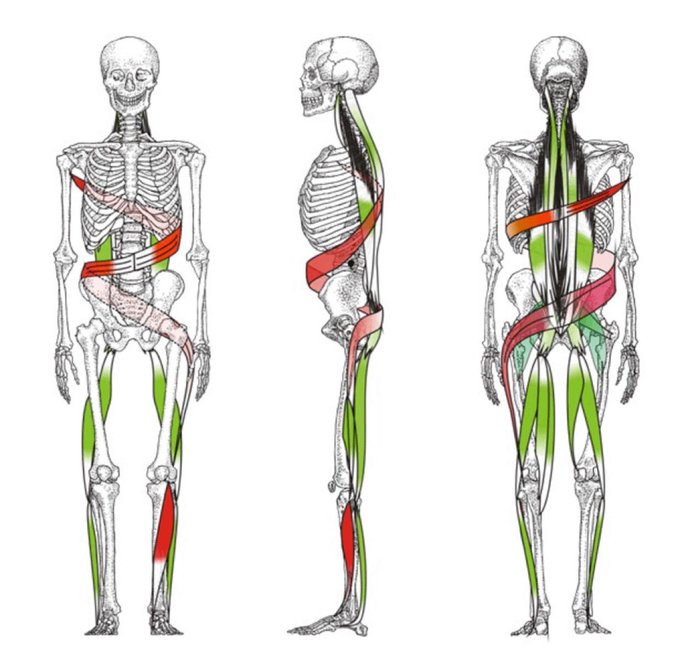
Your posture tells a story—not just of your physical habits, but of your emotional history. In a world where we mask...
Your posture tells a story—not just of your physical habits, but of your emotional history. In a world where we mask our pain with a smile, our bodies remain the ultimate truth-tellers. That chronic neck tension or rounded shoulder is often the physical manifestation of unspoken words and suppressed stress.
The Science of Fascia: Your Emotional Memory
Every muscle and nerve in your body is wrapped in a web called Fascia. Recent studies in neurobiology confirm that Fascia is our largest sensory organ, acting as a biological \\\\\\\\\\\\\\\\\\\\\\\\\\\\\\\\\\\"hard drive\\\\\\\\\\\\\\\\\\\\\\\\\\\\\\\\\\\" that stores the impact of emotional trauma and chronic stress.
When we experience emotional pain, our fascia contracts. If this tension isn't released, the tissue dehydrates and hardens, locking the body into a \\\\\\\\\\\\\\\\\\\\\\\\\\\\\\\\\\\"defensive posture\\\\\\\\\\\\\\\\\\\\\\\\\\\\\\\\\\\"—leading to chronic pain that no massage seems to fix permanently.
Breaking the Cycle: From Tension to Transformation
To heal your posture, you must address the nervous system:
Vagus Nerve Activation: Through deep diaphragmatic breathing.
Myofascial Release: Using Foam Rollers to break down tissue \\\\\\\\\\\\\\\\\\\\\\\\\\\\\\\\\\\"adhesions.\\\\\\\\\\\\\\\\\\\\\\\\\\\\\\\\\\\"
Hydration & Heat: Keeping the fascia fluid and resilient.
The Bottom Line: True postural alignment is not about \\\\\\\\\\\\\\\\\\\\\\\\\\\\\\\\\\\"standing straight\\\\\\\\\\\\\\\\\\\\\\\\\\\\\\\\\\\"—it’s about releasing the emotional weight you’ve been carrying. When you free your body, you free your mind.
Read More
The Science of Fascia: Your Emotional Memory
Every muscle and nerve in your body is wrapped in a web called Fascia. Recent studies in neurobiology confirm that Fascia is our largest sensory organ, acting as a biological \\\\\\\\\\\\\\\\\\\\\\\\\\\\\\\\\\\"hard drive\\\\\\\\\\\\\\\\\\\\\\\\\\\\\\\\\\\" that stores the impact of emotional trauma and chronic stress.
When we experience emotional pain, our fascia contracts. If this tension isn't released, the tissue dehydrates and hardens, locking the body into a \\\\\\\\\\\\\\\\\\\\\\\\\\\\\\\\\\\"defensive posture\\\\\\\\\\\\\\\\\\\\\\\\\\\\\\\\\\\"—leading to chronic pain that no massage seems to fix permanently.
Breaking the Cycle: From Tension to Transformation
To heal your posture, you must address the nervous system:
Vagus Nerve Activation: Through deep diaphragmatic breathing.
Myofascial Release: Using Foam Rollers to break down tissue \\\\\\\\\\\\\\\\\\\\\\\\\\\\\\\\\\\"adhesions.\\\\\\\\\\\\\\\\\\\\\\\\\\\\\\\\\\\"
Hydration & Heat: Keeping the fascia fluid and resilient.
The Bottom Line: True postural alignment is not about \\\\\\\\\\\\\\\\\\\\\\\\\\\\\\\\\\\"standing straight\\\\\\\\\\\\\\\\\\\\\\\\\\\\\\\\\\\"—it’s about releasing the emotional weight you’ve been carrying. When you free your body, you free your mind.
What Cannot Be Measured, Cannot Be Improved or Developed

🔹 The meaning in simple terms: To improve any aspect of life—whether athletic performance, health, fitness, or even...
🔹 The meaning in simple terms: To improve any aspect of life—whether athletic performance, health, fitness, or even educational level—we must first know its current status through precise numbers or indicators. Without measurement, it becomes impossible to determine whether progress is being made or not.
Illustrative Examples:
In sports medicine: Measuring body fat percentage, muscle flexibility, or postural angles determines whether rehabilitation programs succeed or fail.
In education: Tests and periodic evaluations reveal whether a student is improving or needs additional support.
In organizations and companies: Key Performance Indicators (KPIs) act as a compass, guiding projects and showing whether they are on track.
Measurement: The Cornerstone of Development
Measurement is not just about numbers; it is a scientific and managerial approach that transforms general observations into objective facts that can be analyzed and improved. Through measurement, we can:
Identify actual performance levels and compare them with desired standards.
Detect strengths to reinforce and weaknesses to address.
Continuously monitor progress and evaluate the impact of programs and plans.
Thus, measurement becomes the correct starting point for anyone seeking excellence, whether at the individual or institutional level.
Postural Measurements and Deviations
Postural measurements: These include assessing spinal curvatures, shoulder and pelvic tilt, and head–neck alignment. They are scientific tools used to determine postural balance and body symmetry.
Postural deviations: These are changes in the body’s natural axes that lead to functional or structural problems, often caused by poor posture, muscular weakness, or imbalances.
🔹 The relationship between them: The more accurate and consistent the measurements, the easier it is to detect deviations early and correct them. In contrast, the absence of regular measurement allows deviations to progress unnoticed until they reach stages that significantly affect function and appearance.
Conclusion
Measurement is the scientific foundation for diagnosing postural deviations and tracking improvement during rehabilitation or training programs. Without it, decisions remain based on guesswork rather than facts.
Dr. Mohamed El-Madbouli
Head of the Sports Medicine Measurement Unit
Read More
Illustrative Examples:
In sports medicine: Measuring body fat percentage, muscle flexibility, or postural angles determines whether rehabilitation programs succeed or fail.
In education: Tests and periodic evaluations reveal whether a student is improving or needs additional support.
In organizations and companies: Key Performance Indicators (KPIs) act as a compass, guiding projects and showing whether they are on track.
Measurement: The Cornerstone of Development
Measurement is not just about numbers; it is a scientific and managerial approach that transforms general observations into objective facts that can be analyzed and improved. Through measurement, we can:
Identify actual performance levels and compare them with desired standards.
Detect strengths to reinforce and weaknesses to address.
Continuously monitor progress and evaluate the impact of programs and plans.
Thus, measurement becomes the correct starting point for anyone seeking excellence, whether at the individual or institutional level.
Postural Measurements and Deviations
Postural measurements: These include assessing spinal curvatures, shoulder and pelvic tilt, and head–neck alignment. They are scientific tools used to determine postural balance and body symmetry.
Postural deviations: These are changes in the body’s natural axes that lead to functional or structural problems, often caused by poor posture, muscular weakness, or imbalances.
🔹 The relationship between them: The more accurate and consistent the measurements, the easier it is to detect deviations early and correct them. In contrast, the absence of regular measurement allows deviations to progress unnoticed until they reach stages that significantly affect function and appearance.
Conclusion
Measurement is the scientific foundation for diagnosing postural deviations and tracking improvement during rehabilitation or training programs. Without it, decisions remain based on guesswork rather than facts.
Dr. Mohamed El-Madbouli
Head of the Sports Medicine Measurement Unit
The Mystery of Hidden Pain.. Trigger Points and Their Link to Postural Imbalance
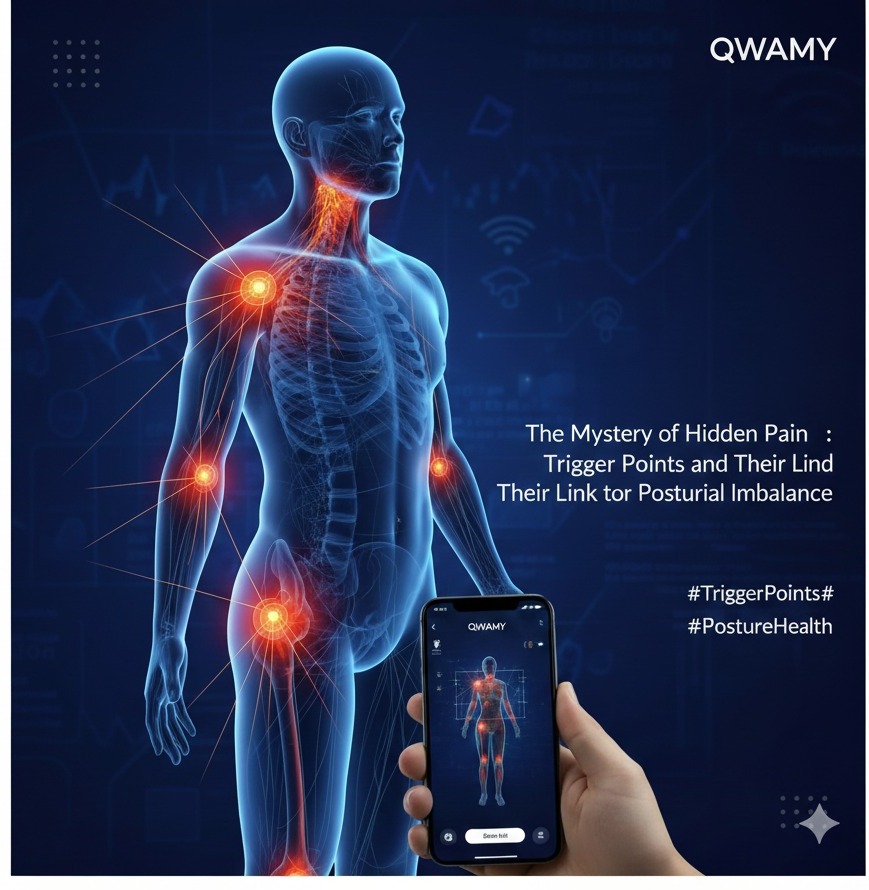
Have you ever felt a mysterious headache behind your eyes? Or a persistent throbbing in your shoulder that shatters...
Have you ever felt a mysterious headache behind your eyes? Or a persistent throbbing in your shoulder that shatters your focus? The answer might not be in your head or your shoulder, but in a hidden knot called a Trigger Point.
What is the Story Behind These Knots?
Simply put: it is a hyper-irritable spot within a tight band of muscle fibers. Imagine it as a hard, grape-like lump stuck in a constant state of contraction, refusing to relax.
Think of your muscles as soft, flexible elastic bands; a trigger point is a knot in that band. It makes the muscle stiff, painful to the touch, and affects your entire body’s flexibility.
Why Is It Called a Trigger Point?
Because it works exactly like the trigger of a gun. When you press it, it does not just hurt at the spot, it fires a bolt of pain to a completely different area. This is what we call Referred Pain.
Press your shoulder and feel a headache in your skull!
Press your hip and feel a sharp pain down your leg!
Why Do These Knots Form? (Behind the Scenes of Daily Life)
As research indicates, and as we observe at QWAMY through analyzing thousands of cases, these points do not appear by chance. They are the result of:
Poor Posture Habits: Sitting for hours with a Forward Head Posture over phones or laptops is the primary factory for trigger points.
Mechanical Stress: Intense workouts without a proper warm-up or lifting weights with poor form.
Psychological Stress: Mental stress translates instantly into involuntary muscle tension, especially in the neck and shoulders.
Lack of Fuel: Dehydration and a deficiency in minerals like Magnesium and Potassium make muscles cramp and knot up.
How Does QWAMY Help You Solve This Mystery?
At QWAMY, we do not just treat the symptom; we hunt for the Source:
The Eye of Technology: The QWAMY app uses AI to analyze your body’s alignment, revealing the truth: Is your pain caused by a pelvic tilt or a neck deviation?
Smart Prevention: Instead of waiting for the knot to form, QWAMY alerts you to postural imbalances early on, allowing you to reset your alignment and stop the pain before it starts.
How to Release It Yourself (Quick Postural First Aid)
If you find one of these hard knots, try the following:
Gentle Pressure: Apply steady pressure for 30 to 60 seconds until you feel the pain gradually melt away.
Mindful Stretching: Perform gentle stretches after releasing the knot to restore the muscle natural length.
Hydration: Drink plenty of water to restore elasticity to the muscle fibers.
Postural Check: Open the QWAMY app immediately and check your body angles; the knot will keep returning as long as your posture is misaligned.
Important: If the pain is severe or persistent, you need to consult a QWAMY certified posture specialist for advanced techniques like Manual Therapy or Dry Needling.
Share with us in the comments: Have you ever discovered a knot in your shoulder that was actually the cause of your headache? Tell us where you feel it!
Read More
What is the Story Behind These Knots?
Simply put: it is a hyper-irritable spot within a tight band of muscle fibers. Imagine it as a hard, grape-like lump stuck in a constant state of contraction, refusing to relax.
Think of your muscles as soft, flexible elastic bands; a trigger point is a knot in that band. It makes the muscle stiff, painful to the touch, and affects your entire body’s flexibility.
Why Is It Called a Trigger Point?
Because it works exactly like the trigger of a gun. When you press it, it does not just hurt at the spot, it fires a bolt of pain to a completely different area. This is what we call Referred Pain.
Press your shoulder and feel a headache in your skull!
Press your hip and feel a sharp pain down your leg!
Why Do These Knots Form? (Behind the Scenes of Daily Life)
As research indicates, and as we observe at QWAMY through analyzing thousands of cases, these points do not appear by chance. They are the result of:
Poor Posture Habits: Sitting for hours with a Forward Head Posture over phones or laptops is the primary factory for trigger points.
Mechanical Stress: Intense workouts without a proper warm-up or lifting weights with poor form.
Psychological Stress: Mental stress translates instantly into involuntary muscle tension, especially in the neck and shoulders.
Lack of Fuel: Dehydration and a deficiency in minerals like Magnesium and Potassium make muscles cramp and knot up.
How Does QWAMY Help You Solve This Mystery?
At QWAMY, we do not just treat the symptom; we hunt for the Source:
The Eye of Technology: The QWAMY app uses AI to analyze your body’s alignment, revealing the truth: Is your pain caused by a pelvic tilt or a neck deviation?
Smart Prevention: Instead of waiting for the knot to form, QWAMY alerts you to postural imbalances early on, allowing you to reset your alignment and stop the pain before it starts.
How to Release It Yourself (Quick Postural First Aid)
If you find one of these hard knots, try the following:
Gentle Pressure: Apply steady pressure for 30 to 60 seconds until you feel the pain gradually melt away.
Mindful Stretching: Perform gentle stretches after releasing the knot to restore the muscle natural length.
Hydration: Drink plenty of water to restore elasticity to the muscle fibers.
Postural Check: Open the QWAMY app immediately and check your body angles; the knot will keep returning as long as your posture is misaligned.
Important: If the pain is severe or persistent, you need to consult a QWAMY certified posture specialist for advanced techniques like Manual Therapy or Dry Needling.
Share with us in the comments: Have you ever discovered a knot in your shoulder that was actually the cause of your headache? Tell us where you feel it!