الصحة القوامية والتوعية
قوامك لا يكذب: الحكاية الخفية لمشاعرك المخزنة
بقلم: فريق قوامي
هل تعلم أن قوامك يتحدث؟ جسدك لا يحمل عظامك وعضلاتك فحسب، بل يروي قصة حياتك الحقيقية. نحن نبتسم...
هل تعلم أن قوامك يتحدث؟ جسدك لا يحمل عظامك وعضلاتك فحسب، بل يروي قصة حياتك الحقيقية. نحن نبتسم...
بقلم: فريق قوامي
هل تعلم أن قوامك يتحدث؟ جسدك لا يحمل عظامك وعضلاتك فحسب، بل يروي قصة حياتك الحقيقية. نحن نبتسم لنخفي أوجاعنا، ونقول (أنا بخير) وأكتافنا منكمشة، لكن هناك حقيقة واحدة لا تعرف الكذب: قوامك.
ذلك الانحناء في الظهر، والشد المزمن في الرقبة، وتلك العقد المؤلمة في الكتفين؛ كلها كلمات صامتة يحكي بها جسدك ما عجز لسانك عن البوح به.
السر في (اللفافة العضلية) (Fascia): الذاكرة الحية
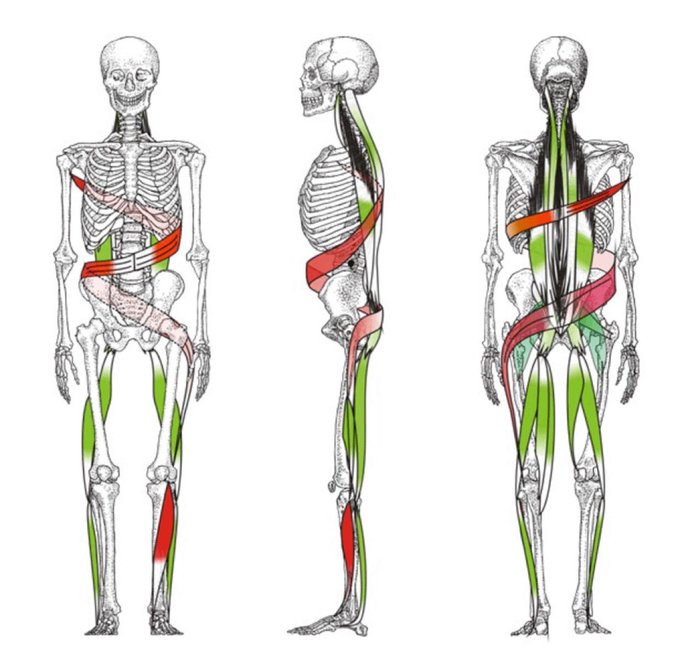
خلف كل عضلة وعصب، يوجد نسيج ضام مذهل يسمى اللفافة العضلية (Fascia). هي شبكة ثلاثية الأبعاد تغلف جسمك من الرأس إلى القدم. علمياً، اللفافة ليست مجرد (غلاف)، بل هي أكبر عضو حسي في جسمك، وتحتوي على مستقبلات عصبية تفوق العضلات بـ 6 أضعاف.
تتشكل اللفافة وتتكيف مع ضغوطك؛ فهي تخزن آثار الصدمات، الخيبات، والمشاعر المكبوتة، وتحولها إلى (قيود فزيائية) صلبة.
عندما يتحول التوتر إلى ألم: (حلقة التغذية المرتدة)
عند التوتر، يفرز الجسم الكورتيزول، فتنقبض اللفافة كآلية دفاعية. المشكلة تبدأ عندما يزول الخطر (ذهنياً) ويبقى الجسد (منقبضاً) لعدم استلام إشارة الأمان. هذا يؤدي إلى:
تصلب القوام: وضعية (الجنين) الدفاعية (انحناء الصدر للداخل) عند الحزن.
تشنج الفك والرقبة: عند القلق المزمن أو الغضب المكتوم.
الجمود الحركي: شعور بالثقل الدائم وكأن الجسد (سجين) لماضيه.
كيف تحرر قوامك من أغلال الماضي؟
استعادة التوازن ممكنة عبر ممارسات تعيد ضبط الجهاز العصبي (Vagus Nerve):
التنفس البطني الواعي: يرسل إشارات فورية للدماغ بأن (نحن بأمان الآن)، مما يرخي الأنسجة.
تحرير اللفافة (SMR): استخدام الأسطوانة الرغوية (Foam Roller) أو كرة التنس لتفكيك التعقدات النسيجية.
الحركات الحلزونية: اليوغا والتمطية الدورانية تساعد الأنسجة على استعادة مرونتها المائية.
الترطيب والحرارة: اللفافة تتكون أساساً من الماء؛ الجفاف يجعلها (غراءً) يلتصق بالعضلات، بينما الدفء يجعلها (هلاماً) مرناً.
الخلاصة: صحة القوام ليست مجرد (استقامة ظهر)، بل هي تحرر من قيود المشاعر المكبوتة. عندما تمنح جسدك الأمان، فإنه يعيد ضبط نفسه بنفسه.
اقرأ المزيد
هل تعلم أن قوامك يتحدث؟ جسدك لا يحمل عظامك وعضلاتك فحسب، بل يروي قصة حياتك الحقيقية. نحن نبتسم لنخفي أوجاعنا، ونقول (أنا بخير) وأكتافنا منكمشة، لكن هناك حقيقة واحدة لا تعرف الكذب: قوامك.
ذلك الانحناء في الظهر، والشد المزمن في الرقبة، وتلك العقد المؤلمة في الكتفين؛ كلها كلمات صامتة يحكي بها جسدك ما عجز لسانك عن البوح به.
السر في (اللفافة العضلية) (Fascia): الذاكرة الحية
خلف كل عضلة وعصب، يوجد نسيج ضام مذهل يسمى اللفافة العضلية (Fascia). هي شبكة ثلاثية الأبعاد تغلف جسمك من الرأس إلى القدم. علمياً، اللفافة ليست مجرد (غلاف)، بل هي أكبر عضو حسي في جسمك، وتحتوي على مستقبلات عصبية تفوق العضلات بـ 6 أضعاف.
تتشكل اللفافة وتتكيف مع ضغوطك؛ فهي تخزن آثار الصدمات، الخيبات، والمشاعر المكبوتة، وتحولها إلى (قيود فزيائية) صلبة.
عندما يتحول التوتر إلى ألم: (حلقة التغذية المرتدة)
عند التوتر، يفرز الجسم الكورتيزول، فتنقبض اللفافة كآلية دفاعية. المشكلة تبدأ عندما يزول الخطر (ذهنياً) ويبقى الجسد (منقبضاً) لعدم استلام إشارة الأمان. هذا يؤدي إلى:
تصلب القوام: وضعية (الجنين) الدفاعية (انحناء الصدر للداخل) عند الحزن.
تشنج الفك والرقبة: عند القلق المزمن أو الغضب المكتوم.
الجمود الحركي: شعور بالثقل الدائم وكأن الجسد (سجين) لماضيه.
كيف تحرر قوامك من أغلال الماضي؟
استعادة التوازن ممكنة عبر ممارسات تعيد ضبط الجهاز العصبي (Vagus Nerve):
التنفس البطني الواعي: يرسل إشارات فورية للدماغ بأن (نحن بأمان الآن)، مما يرخي الأنسجة.
تحرير اللفافة (SMR): استخدام الأسطوانة الرغوية (Foam Roller) أو كرة التنس لتفكيك التعقدات النسيجية.
الحركات الحلزونية: اليوغا والتمطية الدورانية تساعد الأنسجة على استعادة مرونتها المائية.
الترطيب والحرارة: اللفافة تتكون أساساً من الماء؛ الجفاف يجعلها (غراءً) يلتصق بالعضلات، بينما الدفء يجعلها (هلاماً) مرناً.
الخلاصة: صحة القوام ليست مجرد (استقامة ظهر)، بل هي تحرر من قيود المشاعر المكبوتة. عندما تمنح جسدك الأمان، فإنه يعيد ضبط نفسه بنفسه.
ما لا يمكن قياسه، لا يمكن تحسينه أو تطويره

🔹 المعنى ببساطة:
لكي نطوّر أي جانب من جوانب حياتنا – سواء الأداء الرياضي، الصحة، اللياقة، أو حتى المستوى التعليمي –...
لكي نطوّر أي جانب من جوانب حياتنا – سواء الأداء الرياضي، الصحة، اللياقة، أو حتى المستوى التعليمي –...
🔹 المعنى ببساطة:
لكي نطوّر أي جانب من جوانب حياتنا – سواء الأداء الرياضي، الصحة، اللياقة، أو حتى المستوى التعليمي – لا بد أن نعرف أولًا مستواه الحالي من خلال أرقام أو مؤشرات دقيقة. بدون قياس، يصبح من المستحيل معرفة ما إذا كان هناك تقدم أو تراجع.
________________________________________
أمثلة توضيحية:
• في الطب الرياضي: قياس نسبة الدهون، مرونة العضلات، أو زوايا القوام هو ما يحدد نجاح أو فشل البرامج التأهيلية.
• في التعليم: الاختبارات والتقييم الدوري هي التي تكشف مدى تطور الطالب أو حاجته إلى دعم إضافي.
• في المؤسسات والشركات: مؤشرات الأداء (KPIs) هي البوصلة التي تحدد اتجاه المشاريع وتكشف مدى نجاحها.
________________________________________
القياس: حجر الأساس في التطوير
القياس ليس مجرد أرقام، بل هو منهج علمي وإداري يحوّل الملاحظات العامة إلى حقائق موضوعية يمكن تحليلها وتطويرها. من خلاله نستطيع:
• تحديد مستوى الأداء الفعلي ومقارنته بالمستوى المطلوب.
• اكتشاف نقاط القوة لتعزيزها ونقاط الضعف لمعالجتها.
• متابعة التقدم بشكل مستمر وتقييم أثر البرامج والخطط.
وبذلك يصبح القياس هو البداية الصحيحة لكل من يسعى إلى التميز، سواء على المستوى الفردي أو المؤسسي.
________________________________________
القياسات القوامية والانحرافات البدنية
• القياسات القوامية: تشمل قياس انحناءات العمود الفقري، ميل الكتفين والحوض، ومحاذاة الرأس والرقبة. وهي أدوات علمية لتحديد التوازن القوامي ومدى تماثل الجسم.
• الانحرافات القوامية: هي تغيرات في محاور الجسم الطبيعية تؤدي إلى خلل وظيفي أو شكلي، وغالبًا ما تنتج عن وضعيات خاطئة أو ضعف عضلي.
🔹 العلاقة بينهما:
كلما كانت القياسات دقيقة ومنتظمة، سهل اكتشاف الانحرافات مبكرًا وتصحيحها. أما غياب القياس فيؤدي إلى تطور الانحرافات دون ملاحظة حتى تصل إلى مراحل مؤثرة وظيفيًا وشكليًا.
________________________________________
الخلاصة
القياس هو الأساس العلمي لتشخيص الانحرافات القوامية ومتابعة التحسن أثناء برامج التأهيل أو التدريب. وبدونه، تبقى القرارات قائمة على التخمين لا على الحقائق.
د. محمد المدبولي
رئيس وحدة القياسات بالطب الرياضي
اقرأ المزيد
لكي نطوّر أي جانب من جوانب حياتنا – سواء الأداء الرياضي، الصحة، اللياقة، أو حتى المستوى التعليمي – لا بد أن نعرف أولًا مستواه الحالي من خلال أرقام أو مؤشرات دقيقة. بدون قياس، يصبح من المستحيل معرفة ما إذا كان هناك تقدم أو تراجع.
________________________________________
أمثلة توضيحية:
• في الطب الرياضي: قياس نسبة الدهون، مرونة العضلات، أو زوايا القوام هو ما يحدد نجاح أو فشل البرامج التأهيلية.
• في التعليم: الاختبارات والتقييم الدوري هي التي تكشف مدى تطور الطالب أو حاجته إلى دعم إضافي.
• في المؤسسات والشركات: مؤشرات الأداء (KPIs) هي البوصلة التي تحدد اتجاه المشاريع وتكشف مدى نجاحها.
________________________________________
القياس: حجر الأساس في التطوير
القياس ليس مجرد أرقام، بل هو منهج علمي وإداري يحوّل الملاحظات العامة إلى حقائق موضوعية يمكن تحليلها وتطويرها. من خلاله نستطيع:
• تحديد مستوى الأداء الفعلي ومقارنته بالمستوى المطلوب.
• اكتشاف نقاط القوة لتعزيزها ونقاط الضعف لمعالجتها.
• متابعة التقدم بشكل مستمر وتقييم أثر البرامج والخطط.
وبذلك يصبح القياس هو البداية الصحيحة لكل من يسعى إلى التميز، سواء على المستوى الفردي أو المؤسسي.
________________________________________
القياسات القوامية والانحرافات البدنية
• القياسات القوامية: تشمل قياس انحناءات العمود الفقري، ميل الكتفين والحوض، ومحاذاة الرأس والرقبة. وهي أدوات علمية لتحديد التوازن القوامي ومدى تماثل الجسم.
• الانحرافات القوامية: هي تغيرات في محاور الجسم الطبيعية تؤدي إلى خلل وظيفي أو شكلي، وغالبًا ما تنتج عن وضعيات خاطئة أو ضعف عضلي.
🔹 العلاقة بينهما:
كلما كانت القياسات دقيقة ومنتظمة، سهل اكتشاف الانحرافات مبكرًا وتصحيحها. أما غياب القياس فيؤدي إلى تطور الانحرافات دون ملاحظة حتى تصل إلى مراحل مؤثرة وظيفيًا وشكليًا.
________________________________________
الخلاصة
القياس هو الأساس العلمي لتشخيص الانحرافات القوامية ومتابعة التحسن أثناء برامج التأهيل أو التدريب. وبدونه، تبقى القرارات قائمة على التخمين لا على الحقائق.
د. محمد المدبولي
رئيس وحدة القياسات بالطب الرياضي
لغز الألم الخفي.. نقاط الزناد وعلاقتها باختلال التوازن القوامي
هل شعرت يوما بصداع غامض خلف عينك؟ أو وخز مستمر في كتفك يمنعك من التركيز؟ الإجابة قد لا تكون في رأسك أو كتفك، بل في عقدة...
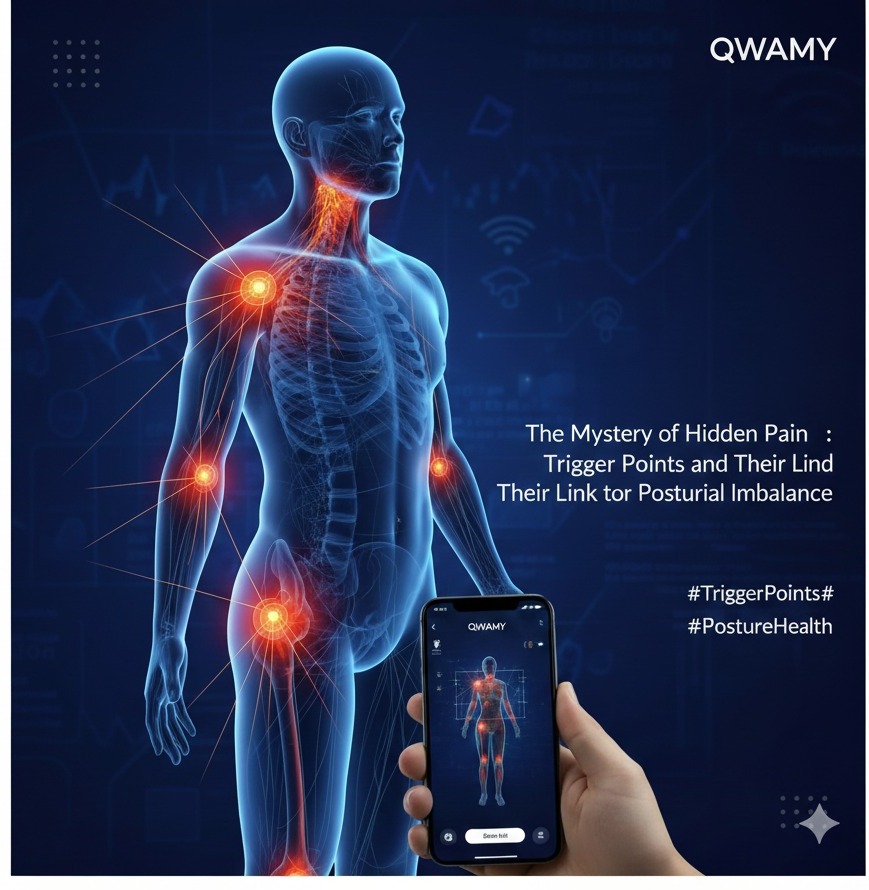
هل شعرت يوما بصداع غامض خلف عينك؟ أو وخز مستمر في كتفك يمنعك من التركيز؟ الإجابة قد لا تكون في رأسك أو كتفك، بل في عقدة صغيرة مختبئة تسمى نقطة الزناد أو Trigger Point.
ما هي حكاية هذه العقدة؟
ببساطة: هي عقدة مشدودة جدا داخل ألياف العضلة، تخيلها ككتلة صلبة تشبه حبة العنب، علقت في حالة انقباض مستمر ورفضت الارتخاء.
تخيل عضلاتك كحبل مطاطي ناعم ومرن؛ نقطة الزناد هي عقدة شديدة في هذا الحبل، تجعله صلبا ومؤلما عند أي لمسة، وتؤثر على مرونة جسدك بالكامل.
لماذا سميت بالزناد تحديدا؟
لأنها تعمل تماما مثل زناد البندقية. بمجرد الضغط عليها، لا تكتفي بالألم في مكانها، بل تطلق شحنة ألم لمناطق بعيدة تماما، وهو ما نسميه الألم المحال أو Referred Pain.
تضغط على كتفك فينطلق صداع في رأسك!
تضغط على حوضك فينطلق ألم في ساقك!
لماذا تتكون هذه العقد؟ (خلف كواليس حياتنا اليومية)
كما تشير الأبحاث، وأيضا ما نرصده في QWAMY من خلال تحليل آلاف الحالات، هذه النقاط لا تظهر صدفة، بل هي نتيجة:
الاستسلام للقوام الخاطئ: الجلوس أمام الموبايل أو اللاب توب لساعات بوضعية الرأس المائل هو المصنع الأول لنقاط الزناد.
الإجهاد الميكانيكي: تمارين رياضية عنيفة بدون إحماء، أو حمل أوزان بشكل غير متوازن.
التوتر النفسي: الضغط النفسي يترجم فورا لشد عضلي لا إرادي (خاصة في الرقبة والكتفين).
نقص الوقود: قلة شرب الماء ونقص معادن مثل المغنيسيوم والبوتاسيوم تجعل العضلة تتشنج وتتعقد.
كيف يساعدك QWAMY في حل هذا اللغز؟
نحن في QWAMY لا نعالج العرض فقط، بل نبحث عن المصدر:
عين التكنولوجيا: تطبيق QWAMY يحلل وضعية جسمك بالذكاء الاصطناعي ليكشف لك هل آلامك ناتجة عن ميل في حوضك أو انحراف في رقبتك؟
الوقاية الذكية: بدلا من الانتظار حتى تتكون العقدة، QWAMY يخبرك بخلل قوامك مبكرا لتعيد ضبط استقامتك وتمنع الألم قبل حدوثه.
إزاي تخلص نفسك منها؟ (إسعافات قوامية سريعة)
إذا وجدت هذه العقدة الصلبة، جرب الآتي:
الضغط اللطيف: اضغط عليها لمدة 30 إلى 60 ثانية حتى تشعر بالهبوط التدريجي للألم.
التمدد الواعي: قم بعمل إطالات هادئة للعضلة بعد فك العقدة لاستعادة طولها الطبيعي.
الترطيب: اشرب مياه كافية لتعيد المرونة لألياف العضلة.
الفحص القوامي: افتح تطبيق QWAMY فورا وتأكد من زوايا جسدك؛ لأن العقدة ستعود طالما القوام مائل.
تذكر: إذا كان الألم مستمرا، فأنت بحاجة لاستشارة أخصائي رعاية قوام معتمد من QWAMY لاستخدام تقنيات متقدمة مثل العلاج اليدوي أو الوخز الجاف.
شاركنا في التعليقات: هل اكتشفت يوما عقدة في كتفك واكتشفت أنها سبب صداعك؟ اكتب لنا مكان الألم!
اقرأ المزيد
ما هي حكاية هذه العقدة؟
ببساطة: هي عقدة مشدودة جدا داخل ألياف العضلة، تخيلها ككتلة صلبة تشبه حبة العنب، علقت في حالة انقباض مستمر ورفضت الارتخاء.
تخيل عضلاتك كحبل مطاطي ناعم ومرن؛ نقطة الزناد هي عقدة شديدة في هذا الحبل، تجعله صلبا ومؤلما عند أي لمسة، وتؤثر على مرونة جسدك بالكامل.
لماذا سميت بالزناد تحديدا؟
لأنها تعمل تماما مثل زناد البندقية. بمجرد الضغط عليها، لا تكتفي بالألم في مكانها، بل تطلق شحنة ألم لمناطق بعيدة تماما، وهو ما نسميه الألم المحال أو Referred Pain.
تضغط على كتفك فينطلق صداع في رأسك!
تضغط على حوضك فينطلق ألم في ساقك!
لماذا تتكون هذه العقد؟ (خلف كواليس حياتنا اليومية)
كما تشير الأبحاث، وأيضا ما نرصده في QWAMY من خلال تحليل آلاف الحالات، هذه النقاط لا تظهر صدفة، بل هي نتيجة:
الاستسلام للقوام الخاطئ: الجلوس أمام الموبايل أو اللاب توب لساعات بوضعية الرأس المائل هو المصنع الأول لنقاط الزناد.
الإجهاد الميكانيكي: تمارين رياضية عنيفة بدون إحماء، أو حمل أوزان بشكل غير متوازن.
التوتر النفسي: الضغط النفسي يترجم فورا لشد عضلي لا إرادي (خاصة في الرقبة والكتفين).
نقص الوقود: قلة شرب الماء ونقص معادن مثل المغنيسيوم والبوتاسيوم تجعل العضلة تتشنج وتتعقد.
كيف يساعدك QWAMY في حل هذا اللغز؟
نحن في QWAMY لا نعالج العرض فقط، بل نبحث عن المصدر:
عين التكنولوجيا: تطبيق QWAMY يحلل وضعية جسمك بالذكاء الاصطناعي ليكشف لك هل آلامك ناتجة عن ميل في حوضك أو انحراف في رقبتك؟
الوقاية الذكية: بدلا من الانتظار حتى تتكون العقدة، QWAMY يخبرك بخلل قوامك مبكرا لتعيد ضبط استقامتك وتمنع الألم قبل حدوثه.
إزاي تخلص نفسك منها؟ (إسعافات قوامية سريعة)
إذا وجدت هذه العقدة الصلبة، جرب الآتي:
الضغط اللطيف: اضغط عليها لمدة 30 إلى 60 ثانية حتى تشعر بالهبوط التدريجي للألم.
التمدد الواعي: قم بعمل إطالات هادئة للعضلة بعد فك العقدة لاستعادة طولها الطبيعي.
الترطيب: اشرب مياه كافية لتعيد المرونة لألياف العضلة.
الفحص القوامي: افتح تطبيق QWAMY فورا وتأكد من زوايا جسدك؛ لأن العقدة ستعود طالما القوام مائل.
تذكر: إذا كان الألم مستمرا، فأنت بحاجة لاستشارة أخصائي رعاية قوام معتمد من QWAMY لاستخدام تقنيات متقدمة مثل العلاج اليدوي أو الوخز الجاف.
شاركنا في التعليقات: هل اكتشفت يوما عقدة في كتفك واكتشفت أنها سبب صداعك؟ اكتب لنا مكان الألم!